By Trent Pickle
October 12, 2026
Maintaining a decentralized wastewater treatment system requires diligent operational oversight, precise management of biological processes, and periodic service intervention from qualified professionals. When property owners prioritize routine upkeep and structured pump-out schedules, they effectively shield their residential investments from catastrophic plumbing failures, safeguard local natural water resources, and ensure that all internal mechanical components function smoothly over decades of continuous operation.
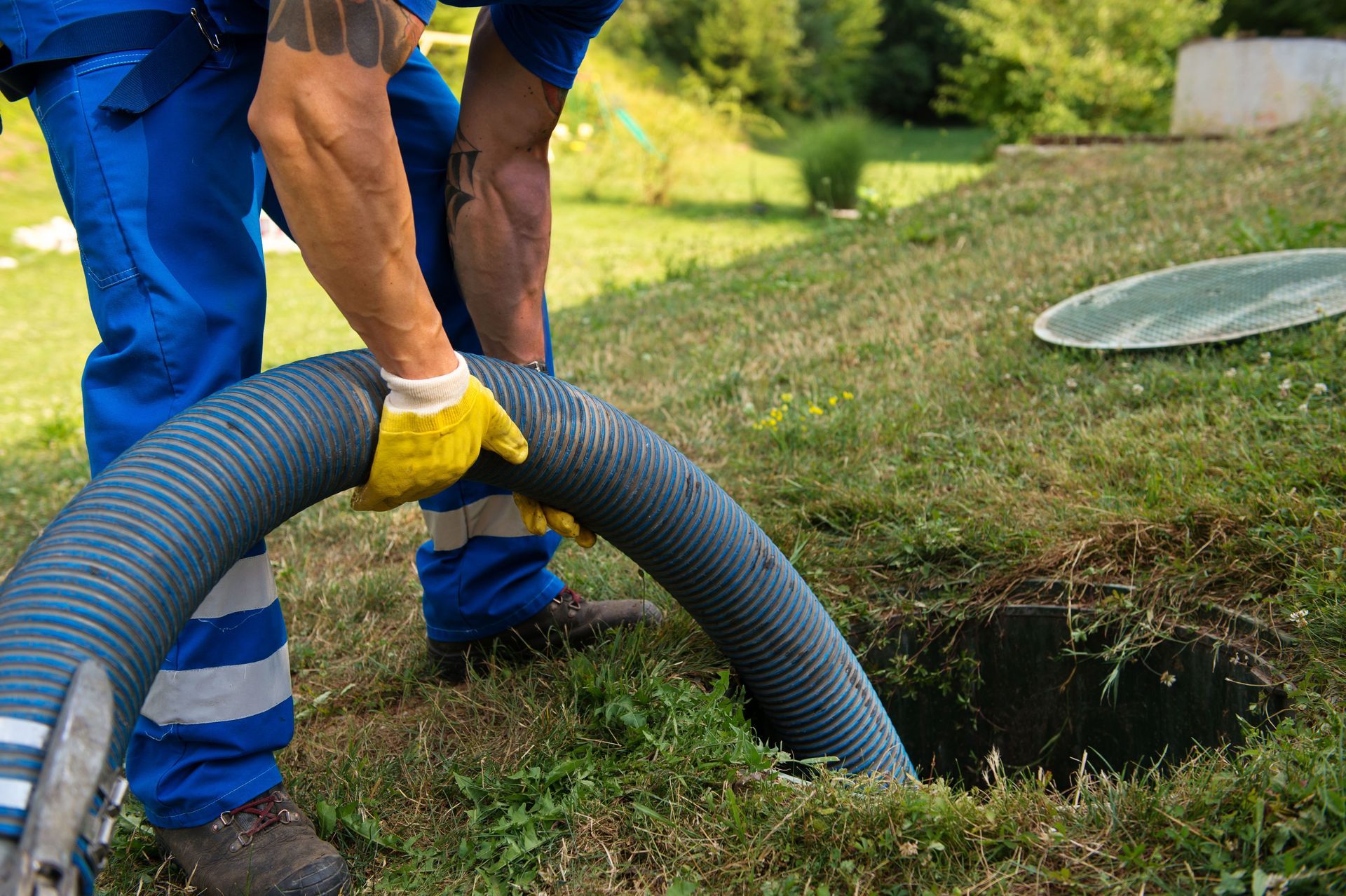
Selecting a qualified service provider ensures that every individual component of the wastewater infrastructure receives thorough diagnostic evaluation and expert technical attention. Certified technicians bring specialized vacuum pumping equipment, high-pressure washing tools, and detailed mechanical knowledge to clear out dense sludge layers and accumulated grease barriers, ensuring that incoming household wastewater moves through the processing chambers without encountering severe internal blockages or harmful plumbing backups.
1. Improved Overall System Efficiency and Waste Handling
Managing household wastewater requires a carefully balanced operational approach to ensure that total processing capacity aligns perfectly with daily water usage patterns and family size. Professional septic tank cleaning directly addresses the accumulation of heavy solid material and floating grease layers that gradually reduce internal liquid working volume over time. When solid waste builds up unchecked inside the main compartment, incoming wastewater moves through the settling chamber far too quickly, preventing proper solid-liquid separation and sending suspended particulate matter directly into the delicate drain lines. Specialist intervention restores full liquid working capacity, allowing suspended particles ample time to settle properly and optimizing the critical primary treatment phase.
Beyond simple liquid volume restoration, expert technical care preserves the delicate microbial ecosystem necessary for effective organic decomposition within the containment chamber. A healthy, thriving population of natural anaerobic bacteria works continuously to liquefy organic solids, but excess sludge buildup starves these vital microbes of necessary operating room, alters internal chemical balances, and severely disrupts their natural breakdown processes. Regular maintenance removes excess inert solids, providing a stable, well-balanced habitat for beneficial bacteria to flourish and work at peak performance. This refined biological activity significantly improves final effluent quality and minimizes structural strain across the entire residential plumbing network.
2. Prevention of Costly Structural Repairs and Equipment Damage
Undetected plumbing blockages and heavy organic waste accumulation place severe mechanical stress on internal distribution pipes, sanitary tees, outlet baffles, and flow distribution boxes. Scheduled septic tank cleaning provides trained technicians a critical, structured opportunity to inspect internal structural elements for early signs of hydrogen sulfide corrosion, surface cracking, root intrusion, or physical component displacement. Catching minor physical deterioration early prevents total component collapse, which would otherwise require massive lawn excavation, structural damage, and extremely expensive emergency replacements. Proactive care transforms unpredictable, stressful plumbing emergencies into predictable, manageable maintenance routines that respect your household budget.
Plumbing disruptions inside the residence, such as sluggish sink drains, gurgling toilets, foul sewer gas emissions, and sewage smells around fixtures, directly signal that the primary waste holding area has reached maximum capacity. For many households in the United States, septic systems play a critical role in managing wastewater. According to the EPA, more than one in five households in the U.S. depend on individual septic (decentralized) systems or small community cluster systems to treat their wastewater. Clearing out accumulated waste on a regular schedule eliminates the primary root cause of main sewer line backups, protecting interior living spaces, valuable furniture, and structural flooring from unsanitary, hazardous overflows.
3. Comprehensive Environmental Protection and Groundwater Safeguarding
Untreated residential wastewater contains high concentrations of nitrogen, phosphorus, dangerous synthetic household chemicals, and disease-causing pathogens that pose severe ecological threats if allowed to escape primary containment. Routine septic tank cleaning prevents harmful system bypasses, where dense organic solids overflow directly into the soil absorption field and permanently clog delicate soil pores. When underlying soil becomes saturated and clogged, untreated wastewater surfaces on top of the lawn or migrates rapidly downward into underground water tables, severely contaminating vital groundwater supplies relied upon by local private drinking wells and surrounding municipal communities.
Healthy, unclogged soil surrounding a properly maintained absorption field acts as an exceptionally effective natural biological filter, stripping away residual microbes, heavy metals, and chemical nutrients before liquid effluent reaches nearby streams, lakes, or drinking aquifers. When property owners neglect routine pumping schedules, severe nutrient overload degrades the surrounding soil structure, creates stagnant surface pools, and severely disrupts local plant ecosystems and wildlife habitats. Consistent professional care ensures that discharged effluent meets acceptable environmental safety standards, drastically reducing overall pollution risks and preserving soil quality for surrounding vegetation and local ecosystems.
4. Extending Infrastructure Lifespan and Maximizing Asset Value
A complete removal and total replacement of a decentralized wastewater management system represents one of the most substantial capital expenditures a property owner can ever encounter. Timely septic tank cleaning extends the functional operational lifespan of the entire physical installation by shielding delicate effluent distribution lines from premature wear, heavy solids carryover, and irreversible biological blinding. Removing dense sludge blankets and floating scum layers keeps discharge lines completely clear and prevents the severe soil compaction and clogging that eventually forces property owners to clear space, secure costly municipal permits, and install entirely new absorption fields.
System durability relies heavily on consistent, disciplined preventative care habits rather than reactive fixes applied after a costly, catastrophic structural failure has already occurred. By preserving structural integrity, maintaining balanced hydraulic loading, and preventing aggressive chemical corrosion inside the tank walls, routine professional service ensures that the primary infrastructure performs reliably for decades without major operational disruptions. Preserving functional utility not only protects personal finances from unexpected emergency outlays, but it also maintains overall real estate market value and ensures smooth property inspections when placing a home on the market.
5. Health and Safety Advantages for Families and Communities
Neglected wastewater infrastructure directly exposes household residents and neighbors to hazardous biological pathogens, including harmful disease-causing bacteria, dangerous viral agents, and intestinal parasites that thrive in stagnant domestic sewage. Utilizing professional
septic tank cleaning services prevents toxic raw sewage from surfacing in residential yards where children and pets play, effectively sealing off direct exposure routes to harmful micro-organisms. Trained technical specialists strictly adhere to established industry safety protocols during waste extraction, safely containing dangerous septic gases like hydrogen sulfide or methane and preventing direct human contact with raw sewage.
On a much broader community scale, individual residential property care contributes directly to neighborhood sanitation, public health standards, and regional environmental wellness. When multiple wastewater treatment systems fail within a single residential neighborhood, airborne sewer odors increase dramatically and regional surface water sources face heightened disease transmission risks for everyone nearby. Consistent, professional waste management keeps localized biological hazards completely contained beneath the surface, promoting a cleaner, safer living environment for neighboring properties and supporting broader public health goals across the entire region.
Investing in professional maintenance remains the single most effective, financially sound strategy for preserving residential wastewater infrastructure, preventing emergency sewer line backups, and safeguarding long-term community health. Timely professional care keeps processing efficiency exceptionally high, protects local soil and groundwater supplies from toxic chemical contamination, and adds decades of uninterrupted operational service to your major property investment.
To secure your property against unexpected plumbing failures and maintain peak wastewater treatment performance, contact Wayne Pickle Septic Tank today to schedule your next comprehensive service appointment. Their experienced service technicians utilize industry-leading extraction tools, thorough inspection methods, and standardized procedures to deliver comprehensive care tailored specifically to your system's unique operational requirements and household demands. Protect your home investment, family safety, and surrounding local environment by partnering directly with us for all your ongoing liquid waste management needs.